
Who We Are

Jim Tolisano
Co-founder and principal
Jim has designed, implemented, and coached natural resource and biodiversity conservation projects in more than 50 countries, and held a wide variety of professional positions that integrate applied work in sustainable finance, biodiversity conservation planning, protected area management, and communications. From 2006-2012, Jim served as the Director of the Kinship Conservation Fellows, an environmental leadership program that provides training and guidance in conservation finance strategies, business management, and economic tools for mid-career professionals. He is also Adjunct Professor of Conservation Practice in the Gallatin School of Interdisciplinary Studies at New York University and an Advisor to the Center for Sustainable Business in the Stern School of Business.
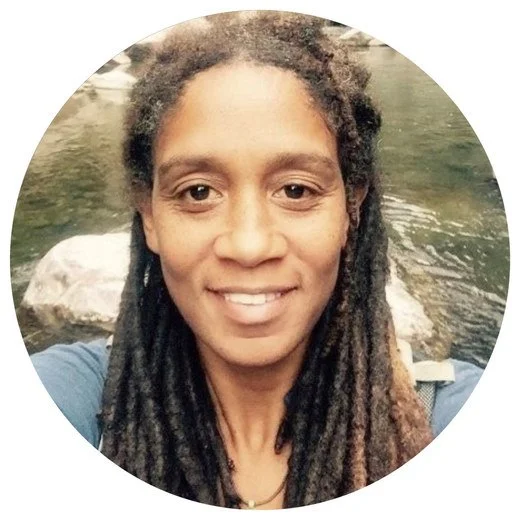
Kina Murphy, Ph.D.
Conservation ecologist
Kina Murphy is a conservation biologist whose work emphasizes practical actions to sustain and enhance biodiversity in areas that have been heavily impacted by resource extraction. She has over 15 years of field and management experience working in over 10 countries. Her responsibilities have ranged from biodiversity monitoring and market-based approaches to conservation to community based conservation planning and policy. Most recently, Kina led the development, management, and implementation of the Wildlife Conservation Society’s Oyu Tolgoi Core Biodiversity Monitoring program for the South Gobi in Mongolia. She has a strong background in assisting companies and lenders in adopting and promoting best practices in terms of the management of biodiversity and ecosystem services; coordinating with governments to support the establishment of policies and regulations that foster improved land use management; and creating opportunities for better conservation outcomes from development. Kina has worked with communities, businesses and all levels of government in Botswana, Malawi, Uganda, Zimbabwe, Mongolia and throughout the U.S. Kina holds a Ph.D in Biology from the University of New Mexico with a concentration in “Mitigating the Impacts of Human Land-Use Change on Biodiversity”, and a Master’s in Community and Regional Planning from the University of New Mexico.
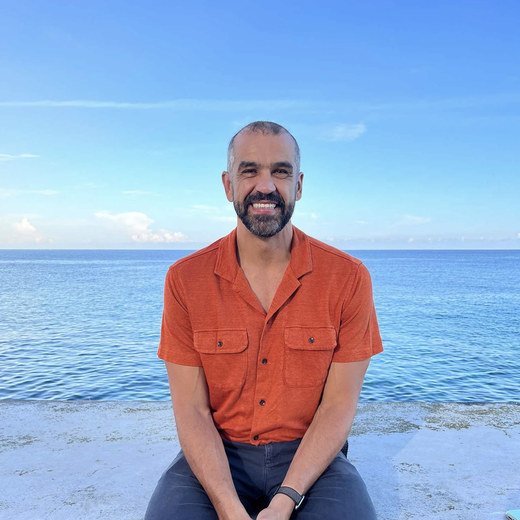
Fernando Bretos
Fernando is Director of Cresta Coastal Network, which helps Caribbean coastal communities adapt to a changing ocean through habitat restoration and by expanding access to capital and markets for those who depend on the ocean for their livelihoods. Cresta operates in Cuba, Haiti, Mexico, and The Bahamas. He specializes in building cross-border partnerships, developing innovative conservation finance strategies, and strengthening marine protected area management. Fernando has secured and managed multimillion-dollar conservation partnerships with governments, foundations, multilateral organizations, and local communities across the region, and directs RedGolfo, a Gulf of Mexico network of 11 MPAs in Cuba, Mexico, and the United States. During 12 years at the Phillip and Patricia Frost Museum of Science, he led its marine conservation program and founded Museum Volunteers for the Environment, which since 2007 has engaged over 20,000 Miami residents in restoring more than 25 acres of mangrove, dune, coral reef, and coastal hammock. He also created ocean-themed exhibits for the museum, aquarium, and planetarium that opened in 2017. Earlier, at The Ocean Conservancy, he managed the Caribbean Biodiversity Program and led research expeditions to Navassa Island, declared a National Wildlife Refuge the following year.
Fernando has published widely in academic journals and recently authored Wild Miami: Explore the Amazing Nature in and Around South Florida. He holds a master's degree from the University of Miami's Rosenstiel School of Marine and Atmospheric Science and a bachelor's in biology from Oberlin College. He is a National Fellow at The Explorers Club, a National Geographic Society Explorer, and a Kinship Conservation Fellow.
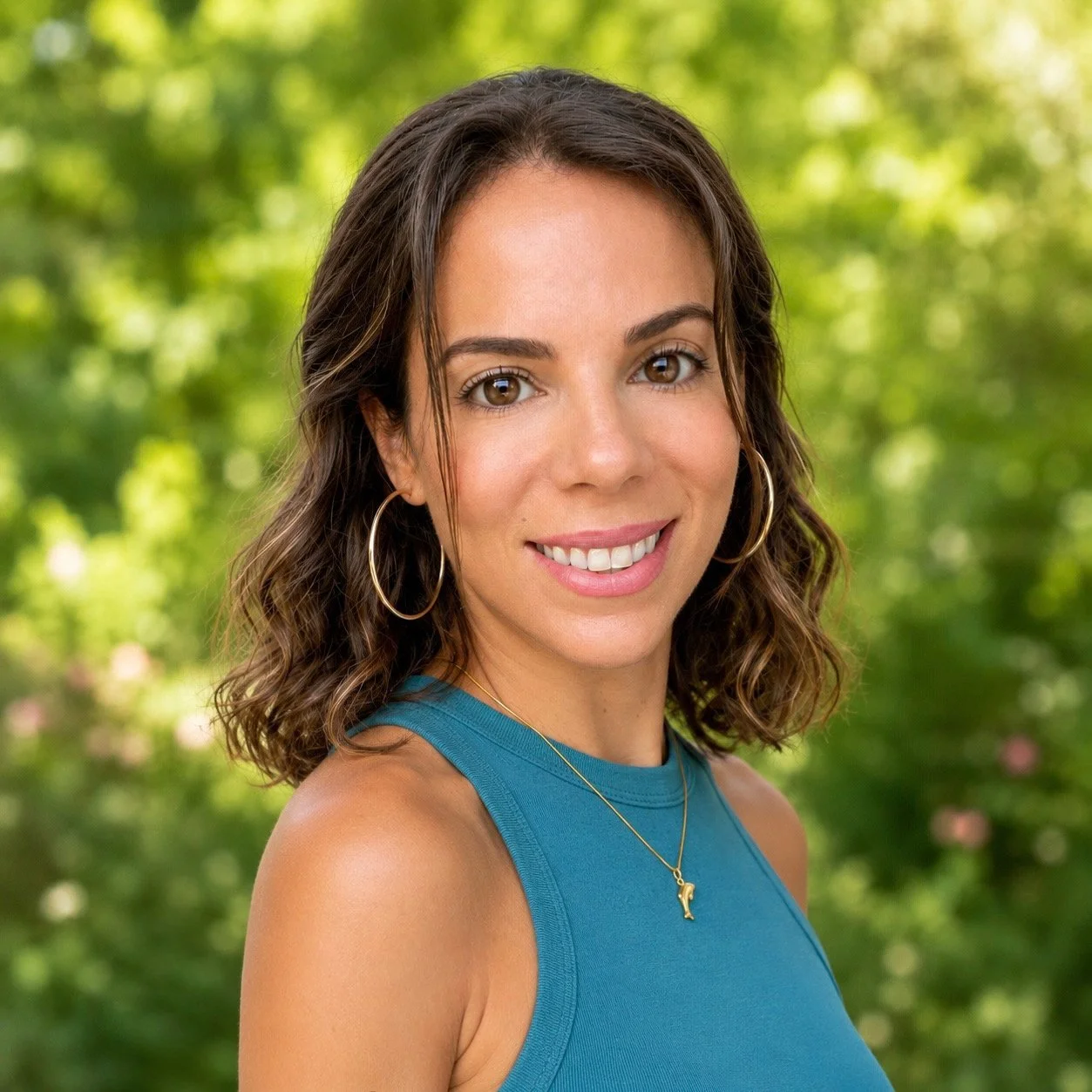
Stephanie Valdès Beron
Marine conservation and ocean finance leader
Stephanie Valdés Berón is a marine conservation and ocean finance leader with over 15 years directing large-scale, multi-stakeholder programs across Latin America & the Caribbean, East Africa, Southeast Asia, and Oceania. Her work spans ridge to reef — REDD+ forests, mangroves, and high-altitude peatlands through coral reefs, artisanal fisheries, and blue carbon.
She specializes in sustainable ocean and coastal finance, designing and assessing blended instruments including blue bonds, trust funds, results-based financing, and community co-investment frameworks, and has helped mobilize more than $46.5 million in public and private capital. A certified reef surveyor with coral restoration experience across the Caribbean and Indo-Pacific, she took part in the first ecological survey informing Tanzania's first offshore MPA, and has led MPA design, fisheries governance, and FPIC processes with reef-dependent communities from East Africa to the Pacific Islands.
Stephanie helped establish USAID's BioREDD+ program in Colombia in 2011 — one of Latin America's first and largest REDD+ portfolios — and went on to direct USAID conservation and blue economy programs in Colombia, Tanzania, and the Pacific Islands, overseeing more than $50 million in outcome-based grants to some 200 grantees.
She holds an MSc in Marine Systems & Policies from the University of Edinburgh and a BSc in Business Administration from Babson College. A dual U.S.–Colombian national, she is native in English and Spanish, with working proficiency in Portuguese, Italian, and French.
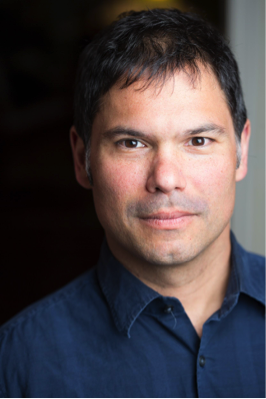
Nejem Raheem, Ph.D.
ecological economist
Nejem Raheem is an Associate Professor of Ecological Economics at Emerson College, where he teaches in the Marketing Communication department and the Environmental Studies Minor. His teaching includes coursework that demonstrates the link between ecology and economics. His research addresses traditional and indigenous land use and ecosystem services, looking particularly at traditional irrigation practices. His fieldwork has included an assessment of traditional water use in the state of New Mexico, research on Inupiat Eskimo hunting, and traditional land use practices in Labrador, Canada. He has lived and worked in Southeast Asia, Latin America, and the Canadian northern territories. Nejem is widely published with solo and coauthored articles in the Journal of the Commons, Marine Policy, the Social Science Journal, and elsewhere. Current projects include a working group funded in part by the USGS on ecological drought; and projects on cataloging and valuing ecosystem services in northern New Mexico. Nejem received his MA and Ph.D. in Economics at the University of New Mexico and his BA in theater at Bennington College.